For decades, car advertising has been organised around pushes: the year-end sale, the spring arrivals, the summer showroom event, Black Friday. A dealership saves up for a three-week campaign, rolls out a banner, and waits for people to come in.
That model worked when media was scarce, attention was concentrated and the stock stayed roughly the same from one month to the next. In 2026, none of those three holds.
Media isn't scarce, it's scattered
A campaign that once owned a newspaper spread or a radio slot now has to find its audience across social feeds, video, podcasts and newsletters. A three-week burst can't be everywhere at once. A steady presence in the places people look every day — for car buyers in Germany and Sweden, above all Facebook and Instagram — can.
Buyers don't decide in three weeks
Most people think about a car purchase for a good while before they buy: they browse, compare, talk it over at home. A seasonal push reaches the few who happen to be ready during those three weeks. A continuous presence is there whenever someone in your area starts looking, whether that is in March or in October.
The stock doesn't stand still
A seasonal ad talks about "our spring arrivals". Some of those cars are sold in the first week, and the ones the ad shows may not be the ones still on the lot. By the end of the campaign, the hero picture can be advertising cars that are no longer there.
How always-on works
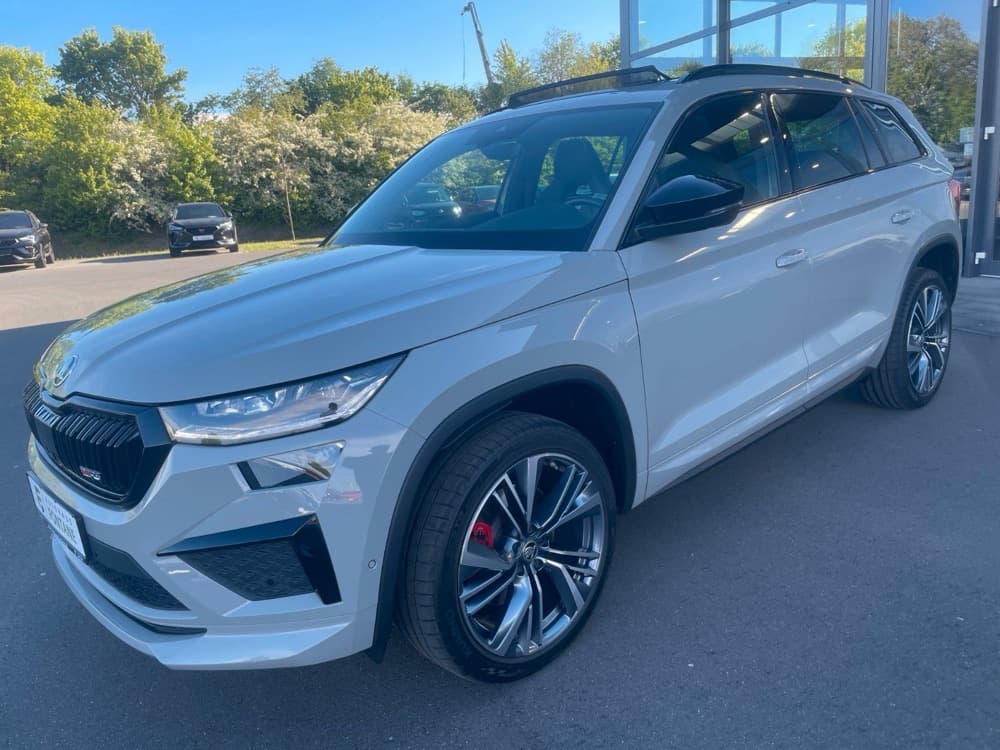
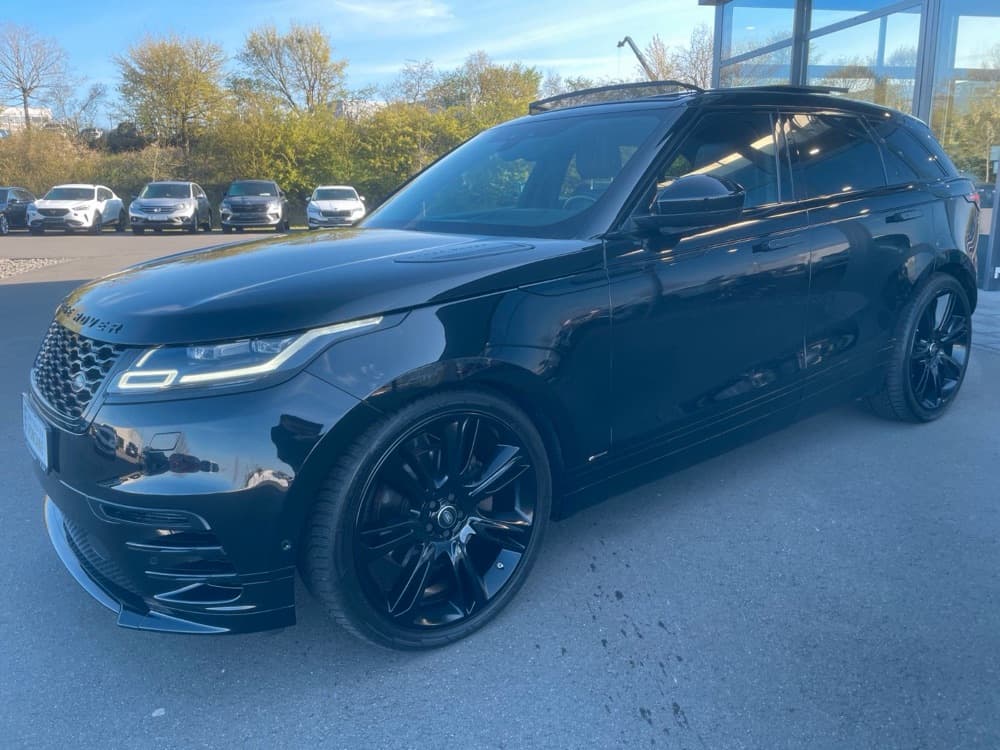
Always-on turns the model around. Instead of big campaigns that refer to the stock, the stock is the campaign. Every car gets its own ad as soon as it is listed. The advertising follows what is available right now, and when a car sells, its ad comes down and the others carry on. There is no start date, no end date, and no hero picture that outlives the car in it.
For the dealership, the difference is mostly calm. The team stops working in three-week sprints of campaign stress, and marketing becomes something that runs in the background. The pushes that remain — a genuine model launch, a new location opening, a real manufacturer offer with a real end date — stand out more, because they no longer compete with a made-up seasonal calendar.
When a seasonal push still makes sense
In two cases: when there is a real event to point at, such as a model launch, and when there is a real price event with a real end date. For everything else, a continuous presence fits the way people buy cars better.
The honest caveat
Always-on is almost impossible to do by hand. One person can't keep 100 cars in continuous sync with their ads, week after week, without mistakes and delays. For a long time that made always-on something only large dealer groups could afford, with their own ad team or a large agency retainer.
That is what platforms like LaLista change. LaLista reads the cars you already list online, gives every car its own ad on Facebook and Instagram, and brings the ads in line with your stock every night, so sold cars are removed overnight. The ads are included in one fixed monthly price. Always-on used to be a privilege of scale; now it is a subscription.