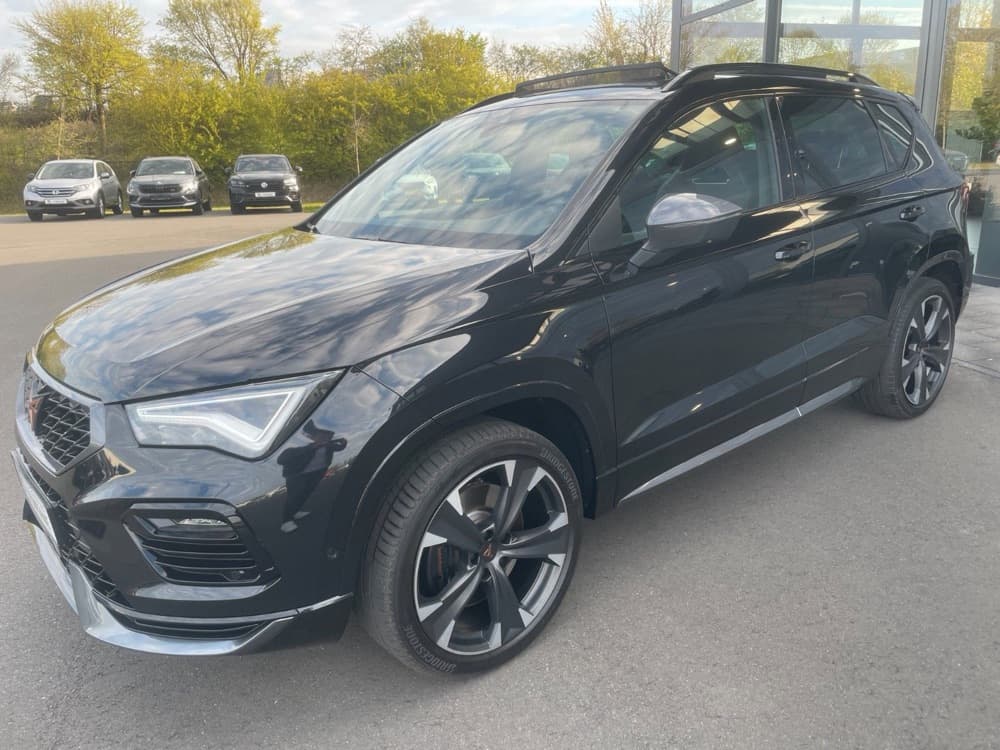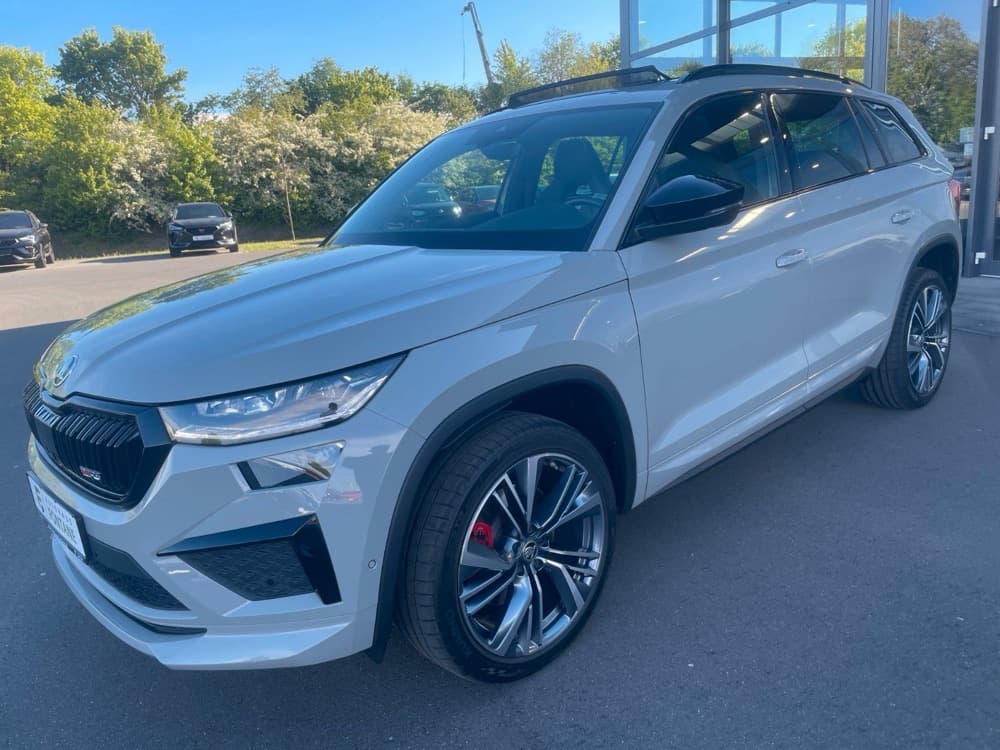
Here is what actually happens between a dealer listing a Volvo V60 and that same V60 appearing as a sponsored post in someone's Instagram feed.
Step 1: the listing becomes structured data
Every car a dealer lists online already carries the facts a buyer needs: make, model, year, mileage, fuel, price and a set of photos. The first step is reading those facts from where the car is listed. For LaLista that is, in Sweden, the dealer's website or their stock on Wayke, Blocket or Bytbil, and in Germany the dealer's online listings. The output is a row of fields per car, not a finished picture. Nobody uploads anything.
Step 2: the data is checked
Before a car can become an ad, the data has to make sense. Is there a price, and is it a number? Is there at least one usable photo? Is the car actually for sale, or already marked as sold? A car with a broken price or no photo doesn't get an ad until the listing is fixed. That is better than an ad that shows the wrong thing.
Step 3: the photo becomes the ad
This is where a listing turns into an ad. The dealer's own photo stays the hero. Phone screens are taller than most car photos, so the whole photo is placed on a softly blurred copy of itself. The car is never cropped, and nothing is generated or painted in. The model name and the price are set cleanly on top.
Each car gets two shapes: 4:5 for the Facebook and Instagram feeds, and 9:16 for Stories and Reels.
Step 4: the ad text is written
Next to the picture sits a short ad text, written for that specific car in German or Swedish. It names the car and what makes it worth a look, and it points to the dealer's own listing.
Step 5: the ad goes live
The ad is published under the dealer's own Facebook Page, so buyers see the dealership's name, not ours. It runs from an ad account LaLista manages, and it is shown to people within driving distance of the dealership. From then on, Meta's delivery shows the ads that people click more often.
Step 6: the ad stays linked to the listing
The ad doesn't live on its own. Every night the stock is read again. When the price changes on the listing, the price in the ad follows. When a new car comes in, it gets its own ad. When a car has sold and disappears from the listing, its ad is removed overnight. Nobody has to remember to switch anything off.
What that means in practice
A car listed on Monday is picked up in the next nightly run. The dealer's part is done at the start: connecting the stock and sharing the Facebook Page, once. After that, the work isn't the ads themselves — it's the plumbing between the listing and the ad, every night. That plumbing is most of what LaLista is. The dealer sees the result in the dashboard: per car, how many people saw it and how many clicked through.