Dealer social media is full of video that nobody asked for. Scroll through car ads for a few minutes and you will see the pattern: slideshows of 40 photos in 15 seconds with stock music, animated templates that look the same for twenty different dealers, synthetic voices reading out spec sheets like a weather report.
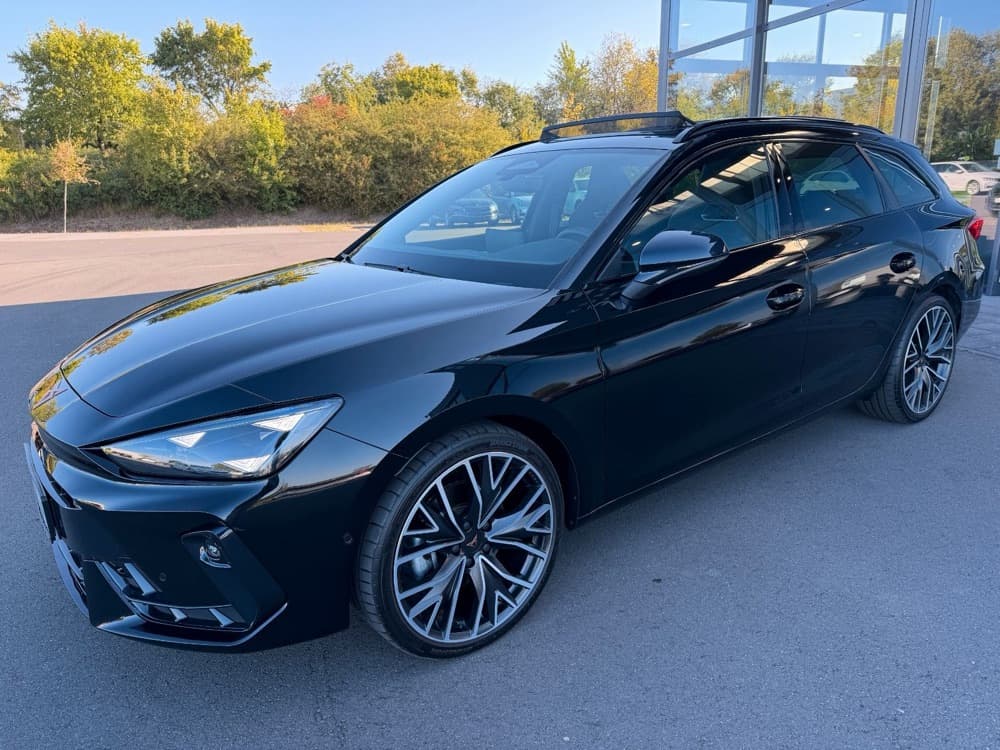
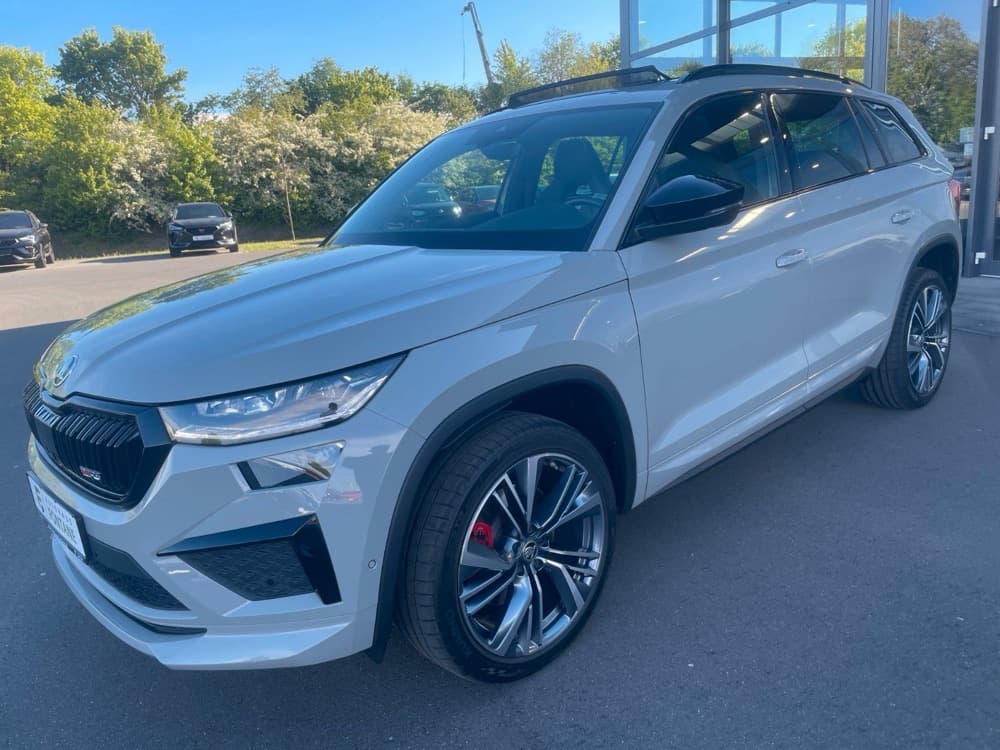
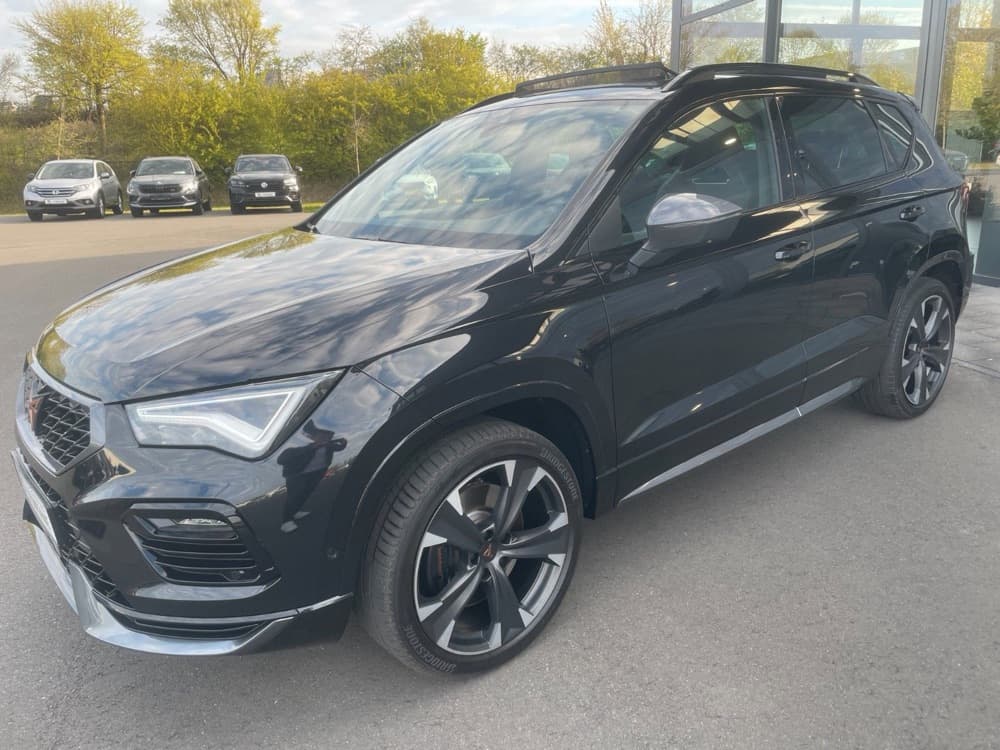
We build every LaLista ad differently: one good photo of the car, the whole car visible, the model and price set cleanly on top, and a short text next to it. No motion, no music, no montage. This post explains why.
A car ad is information, not entertainment
Someone scrolling past a car ad is making a quick decision: is this car interesting to me or not? What they need for that decision is simple: what car it is, what it looks like and what it costs. A clean photo with the model and price delivers exactly that in a second. Every extra element — movement, transitions, music — is something standing between the buyer and that information.
Good video is expensive, and it doesn't keep up with a stock that changes weekly
Really good video of a specific car can be worth it. It also takes a videographer, time on site and days of editing, per car. For a dealer with dozens of cars and new arrivals every week, that is not realistic. What is left is automatically assembled video, and that tends to look exactly like what it is.
The photo already exists
Dealers already photograph every car for their listings, often well. Using that same photo in the ad costs nothing extra and needs no new production. When the price changes, only the text on top changes. Nothing has to be reshot.
It also means the ad shows the actual car on your lot. Nothing is generated, retouched or painted in. The buyer sees the car they will find when they come for a test drive.
What a good static car ad looks like
This is how LaLista builds each one:
- The photo: the dealer's own photo of the car, shown whole. Phone screens are taller than most car photos, so the photo sits on a softly blurred copy of itself instead of being cropped.
- The overlay: the model and the price, clean and readable. No banners, no stickers, no "TOP OFFER" stamps.
- The text: a short ad text next to the image, written for that car in German or Swedish.
- The link: the tap leads to the car's own listing.
- The shapes: 4:5 for the Facebook and Instagram feeds, 9:16 for Stories and Reels, from the same photo.
Every car in stock gets this ad, and every night the ads are brought in line with the stock: new arrivals get their own, prices are updated, sold cars are removed overnight.
Where static isn't the answer
For genuinely cinematic cars — a rare sports car, a special edition — a well-made film can be worth the effort, because the emotion is part of the sale. That is a one-off production for one car, and it sits alongside the everyday advertising of the rest of the stock, not in place of it.
What about AI-generated video?
Automatically generated video from listing photos is improving. We don't use it today, because we want every ad to show the real car, correctly, every time. Richer formats will come when they are good enough to meet that bar, not before. A dealer doesn't need flashy ads; they need an accurate ad for every car on the lot, always current. Static done well is that.