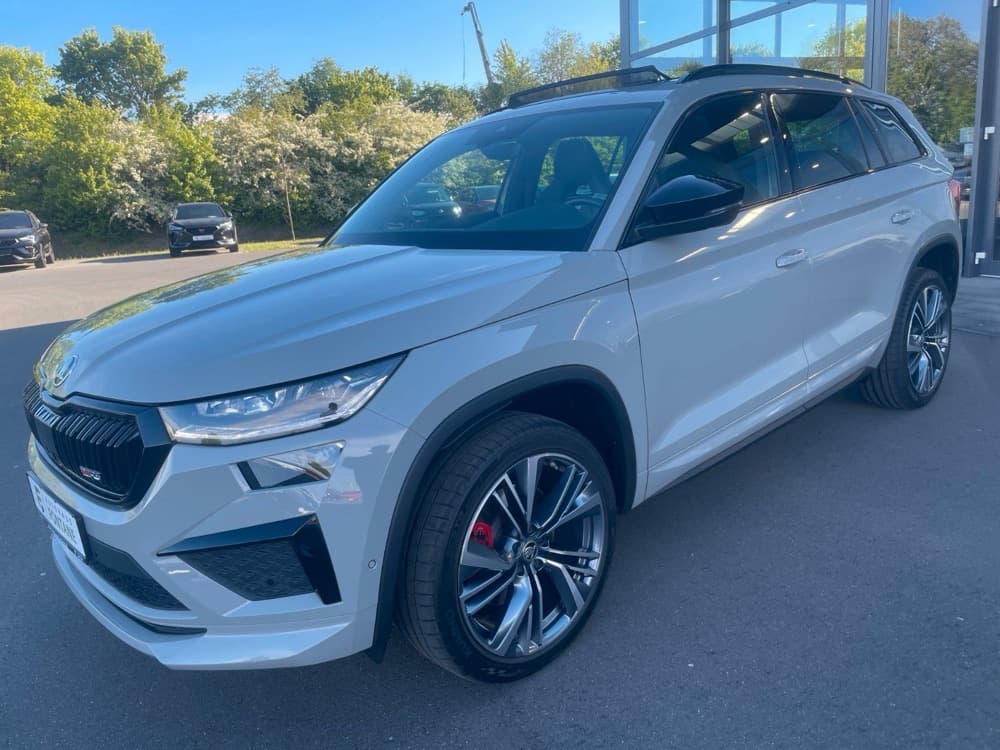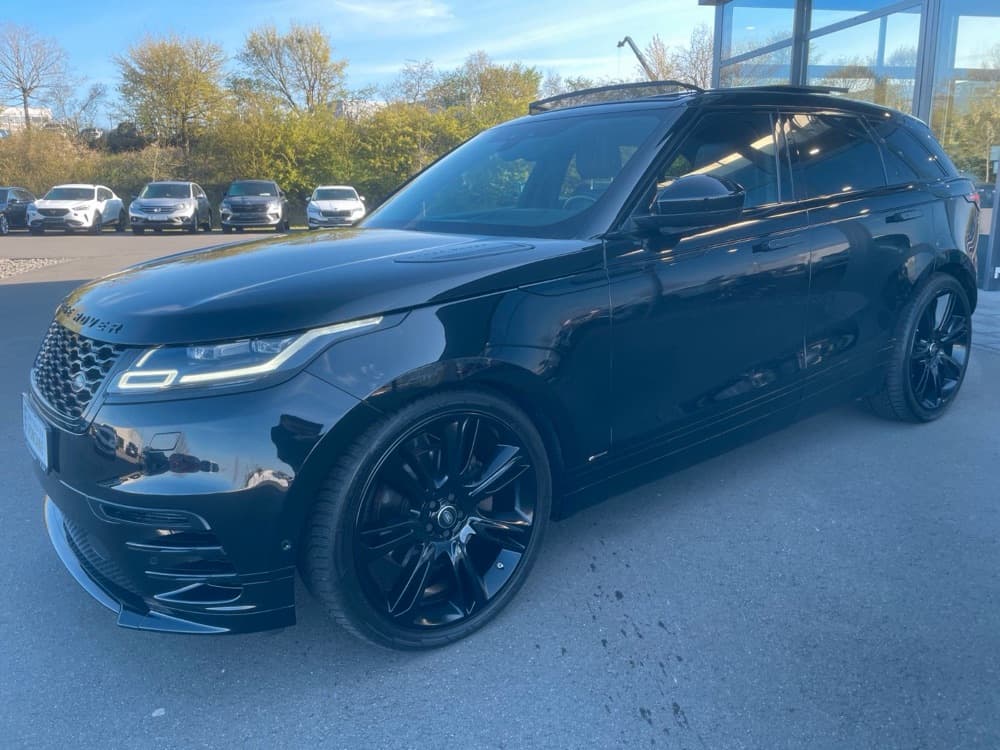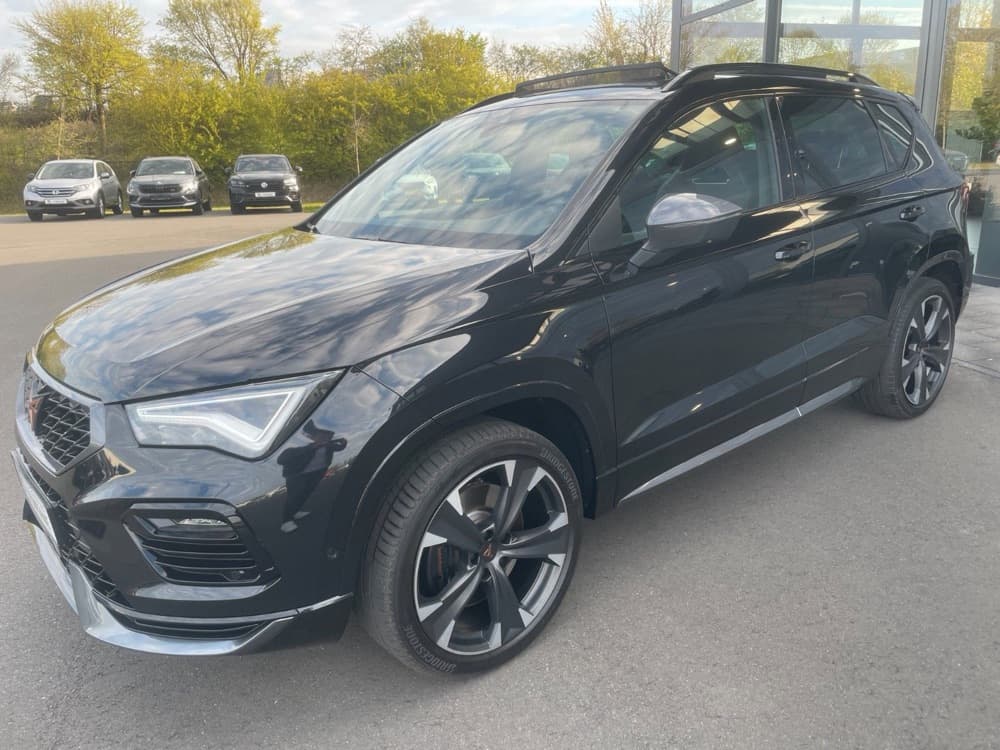
If your car ads on Facebook or Instagram never make it out of review, the problem is rarely the picture. It's the catalog. Meta's vehicle catalog is the gatekeeper for every ad that is built from your stock, and a dealer who gets it wrong can lose a week wondering why nothing is being shown.
Here are the eight fields to get right before you connect anything.
1. vehicle_id: one unique ID per car
A stock number works, and so does the VIN. It must be unique to that car and it must not change. If two cars share an ID, or the ID changes every time the listing is edited, Meta treats them as new or conflicting items.
2. Make, model and year: filled in, not guessed
Meta uses these to understand what the car is. "VW Golf 1.5 TSI Life" in the title is fine, but make, model and year also need to be filled in as their own fields.
3. price with an ISO currency code
The price is a number with a currency code: 249000 with SEK, or 18900 with EUR. "249 000 kr" as text is not a valid price, and "kr" is not a currency code.
4. state_of_vehicle: new, used or certified
Meta asks whether a car is new, used or certified pre-owned. A one-year-old demonstrator counts as used. Pick one value per car and keep it consistent with what the listing says.
5. Mileage with its unit
The mileage is a number plus a unit, kilometres in Germany and Sweden. Swedish listings often give mileage in "mil" (10 km). Convert it, or a 9,000-mil car shows up as a 9,000-km car.
6. image_url: publicly reachable over HTTPS
Meta fetches every photo itself. If your website blocks automated visitors or serves photos from addresses that need a login, the images won't load and the item fails. Photo addresses should also stay stable: if your site generates new image addresses every time a listing is saved, every ad built on the old ones breaks.
7. url: the car's own page
The link must go to the page for that specific car, not to a search result or your home page. A buyer who taps the ad expects to land on the car they just saw.
8. availability and the dealer's address
A car that is sold must stop being available in the catalog. Otherwise the ad keeps showing a car that no longer exists, and the buyer who calls is disappointed. The dealer's address lets Meta place the car geographically; items without it may be accepted with a warning, but they are weaker.
Failures that are hard to spot
- A currency written as text ("kr", "€") instead of an ISO code.
- An empty availability value.
- Photo addresses that change when the website is republished.
- Descriptions with financing promises ("no credit check", "guaranteed approval"), which trigger Meta's stricter review.
Check the catalog in Meta's Commerce Manager diagnostics before you connect it to an ad account. If every item passes, you are ready. If some fail, fix them first, or the first week of ads will reach fewer people than you expect.
Keeping it clean is the real work
Setting up the catalog is a one-off. Keeping it clean is not: new models, changed prices, sold cars and website updates all create new errors, week after week. Whoever owns the catalog at your dealership needs time for that every week.
With LaLista, the dealer doesn't maintain a catalog at all. We read the cars from where you already list them, fill in these fields for every car, hold back cars with a missing price or photo, and bring the catalog in line with your stock every night, so sold cars are removed overnight.